

Why I built Maya
The name comes from one of the oldest ideas in human philosophy, and once you understand it, you'll never look at the stock market the same way.
Maya is a Sanskrit word, roughly three thousand years old. In Hindu philosophy it refers to the idea that the world as we experience it is not ultimate reality. It's a construction, a collectively agreed-upon projection that feels completely real from inside it. The closest thing the modern world has produced to this idea is The Matrix. Everything looks real and functions as real, right up until you step outside it and see what was actually happening.
The stock market is the biggest man-made Maya ever created.
Finance textbooks define stock prices in terms of discounted cash flows and earnings multiples, but the honest answer is simpler: a company's stock is worth exactly what the next person is willing to pay for it at this moment. That number is driven by collective human belief, and when enough people change their minds simultaneously, the number changes with it, regardless of what the underlying company is actually doing.
Once you see the market that way, one conclusion follows directly: if prices move on emotion rather than reality, the only durable edge is to remove emotion from your own process entirely. Not manage it, not reduce it, remove it. That means written rules applied without exception, the same way on a calm Tuesday as on a day when the market is in freefall and everything in your gut is telling you to do something different.
I spent 20 years trading options and 20 years building software working toward exactly that. In 2019 I published a book on mechanical, rules-based options trading that became an Amazon bestseller for three years running. Since then I've worked with more than 6,000 traders using that same framework, and what I learned from coaching that many people is where things got interesting.
The system was never the hard part. A rules-based approach only works when followed with genuine discipline, and genuine discipline is something most people cannot sustain when real money is on the line and the market is doing something frightening. The skipped stop-loss, the position held too long, the rule bent because this particular setup feels different. Those small breaks compound into underperformance fast, and the person making them almost never notices it happening. They are, in that moment, fully inside the Maya. The illusion has them.
The answer, once I saw it clearly, was to build something that cannot be inside the illusion because it has no feelings about it at all.
That's what Maya is. A fully automated trading algorithm that executes my complete system exactly as I wrote it, with machine precision, every single day, with no opinion about what the market did yesterday or what it might do tomorrow. Real-time alerts go out on every entry and exit so members always know what's happening, but the decisions themselves are made by a system that has never once felt fear, greed, or hesitation.
She doesn't react to the illusion. She runs her rules through it.
The principles Maya is built on
Rules over instincts
Your gut is wrong more often than you think. A written rule, applied without exception, will outperform a "feel" trade nine times out of ten.
Computers don't get scared
Algorithms cut losses without flinching and let winners run without panic. Discipline is not a personality trait. It's a process you can outsource.
If you can't backtest it, you don't have a system
Every rule in Maya can be tested on years of historical data. If a rule cannot survive scrutiny, it does not belong in the algorithm.
Transparency builds trust
Every Maya trade is published in real time. Every backtest is open for scrutiny. No black boxes, no cherry-picked results.
Defense wins the long game
One avoided blowup is worth ten home runs. Maya's loss-management rules (PNR exits, 50% stops, MACD triggers) exist because survival compounds.
Trading should give you your time back
If your "system" requires you to stare at charts all day, it isn't a system. Maya runs while you live your life.
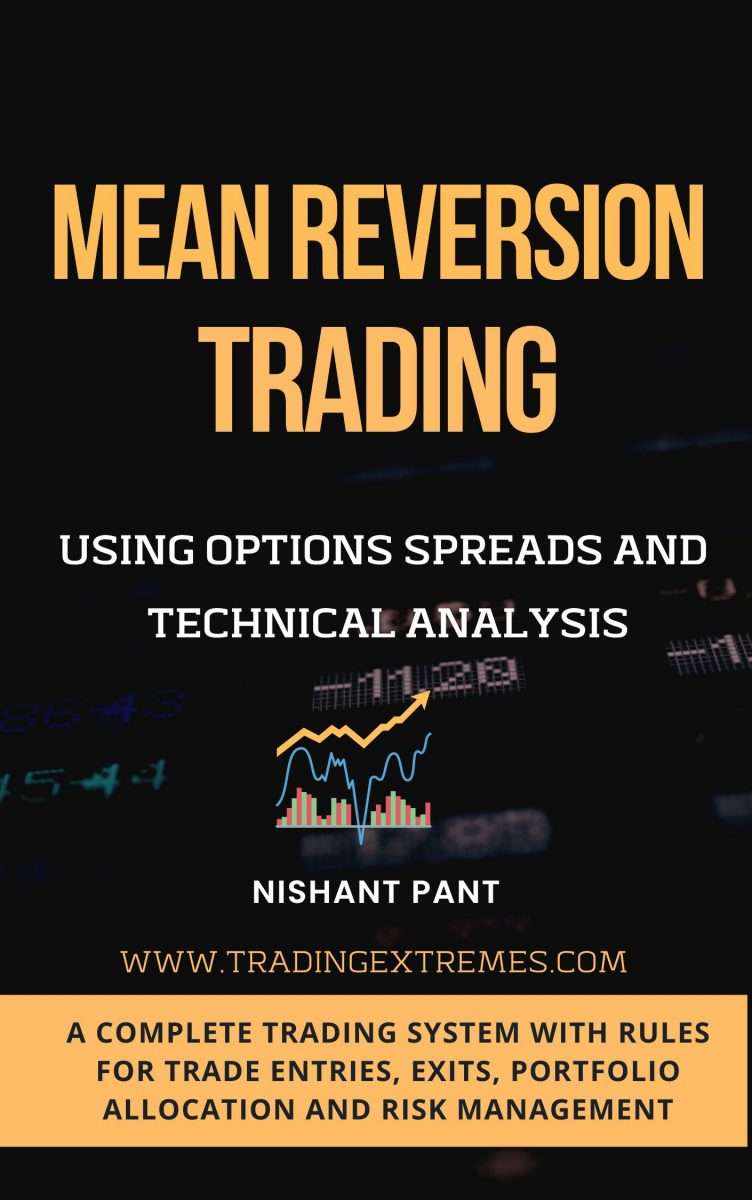
Mean Reversion Trading
Using Options Spreads and Technical Analysis
9 exit rules. Zero exceptions.
Maya is a hybrid mean reversion plus trend-following algorithm with rock-solid trade management. Every position is governed by these nine exit rules, applied automatically without emotion.
Winner Lock-In (94% ROI)
When a spread reaches 94% of max ROI, Maya locks in the win immediately. No greed, no waiting for the last 6%.
50% Loss Near Expiry
If a position is down 50% with fewer than 15 days to expiration, Maya exits. Time decay turns small losses into total losses fast.
Hard Stop Loss (-65%)
The absolute floor. Maya never lets a single trade lose more than 65% of risked capital. One blowup ruins ten winners.
PNR Violation
The Point of No Return is the price level past which math says recovery is unlikely. Maya exits before the trade gets buried.
Expiry Week Exit
Maya closes positions on Wednesday of expiration week to avoid pin risk and assignment. No surprises on Friday.
QQQ MACD Trend Break
When the broader market QQQ MACD turns negative and price drops below the long strike, Maya exits. Don't fight a falling tide.
MACD Reversal + Price Break
A stock-specific MACD reversal combined with a key price break is a confirmed trend change. Maya gets out before the slide.
Earnings Within 7 Days
Earnings are a coin flip. Maya closes any position with earnings within 7 days, full stop. No exceptions.
Dividend Risk
Ex-dividend dates can trigger early assignment on short legs. Maya exits to avoid getting called away unexpectedly.
See Maya's trades in real time.
Every entry, every exit, fully transparent. Browse the live tracker or read the full backtest before you decide.