
Trade Like a Machine
A step-by-step guide to building a rules-based options trading system. No hunches and no guru worship, just rules you can write down, test, and follow.
Get chapter one free See what's insideWhy I'm writing it
This is my third book, and it's the one many people have asked me for. For years I've been asked to share what I've learned building a full-blown automated trading system. This is my attempt.
Over the years I've worked with more than six thousand options traders, and the same three problems kept showing up. Most people have a strategy but not a system. Most understand their rules but drop them the moment a trade goes bad. And most spend far more energy trying to win more than trying to lose less.
The book uses real charts and real data instead of hunches, and it's honest about the ideas that didn't work, because those are often the most useful ones.
What's inside
Fifteen chapters, building from the mistake most traders make to a complete, testable system.
The hardest part isn't finding trades
The trade that goes exactly right and still costs you money, and why exiting for the reason you wrote down matters more than the outcome you got.
My own expensive lesson
How a professional programmer with a decade of discipline in code still traded on gut feel, and what it took to write the rules down.
Why traders lose
The everyday habits that drain accounts, and why options make every one of them more expensive.
What a complete system looks like
Seven pieces, from choosing what you'll trade to reviewing your results.
Indicators as filters
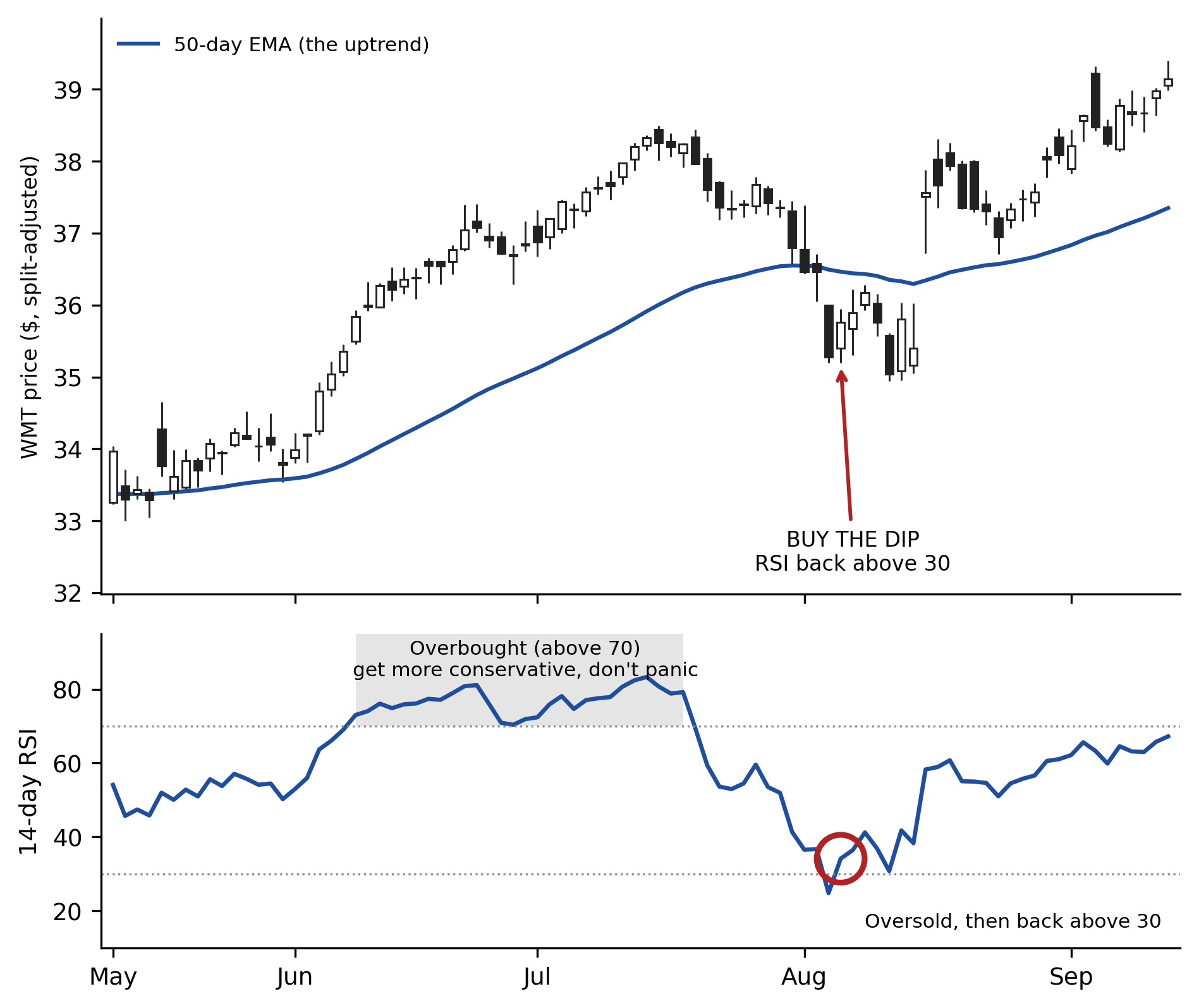
How trend, momentum and volatility tools work together, shown on real charts.
Reading the market first
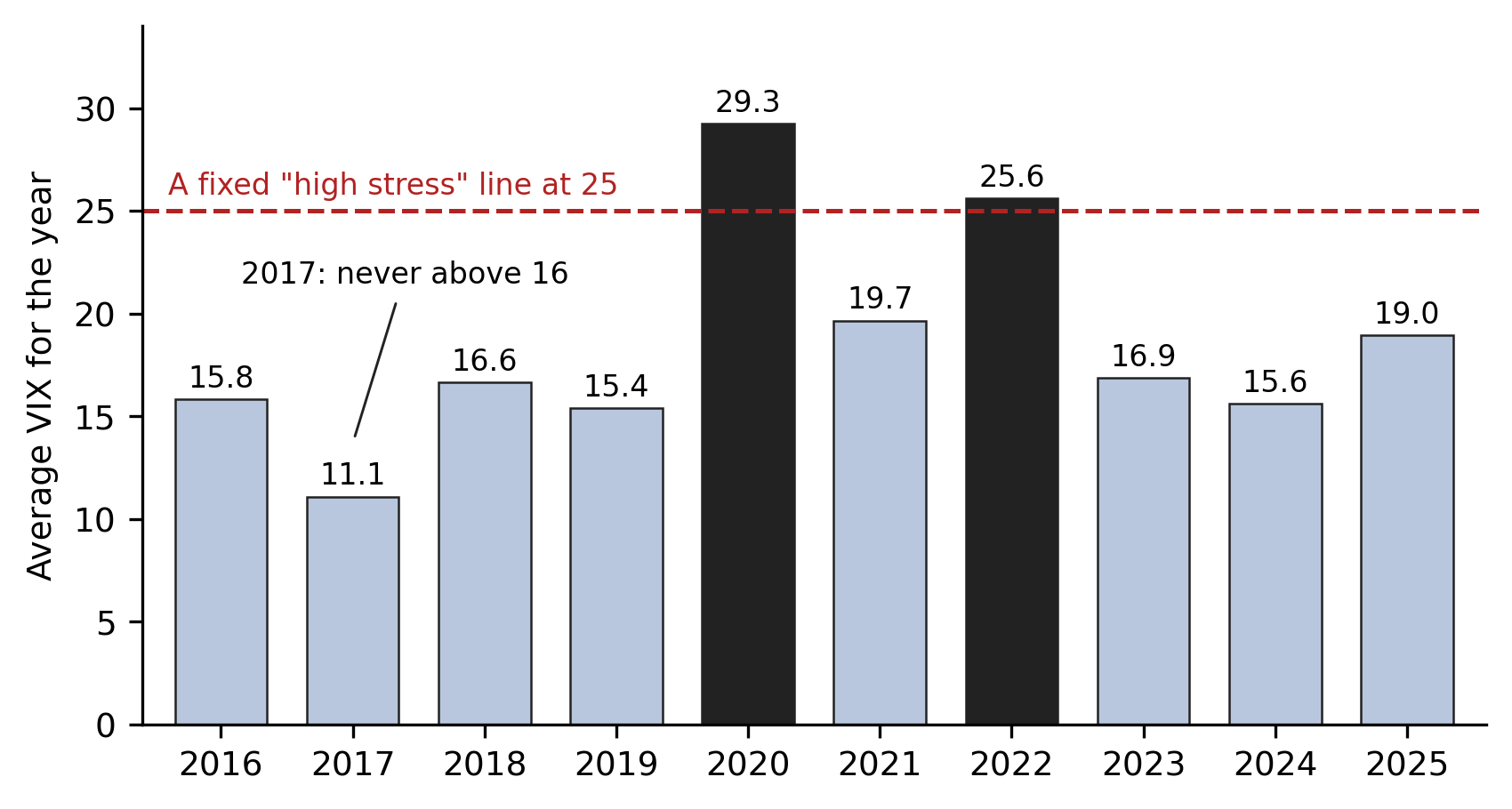
Checking the market before you look at a single stock, and what to do when it turns.
Entries, exits and sizing
Rules written down before the trade opens, so you never decide under pressure.
Managing risk across the whole portfolio
Why good entries and good exits can still add up to a bad month, and the limits that keep one bad week from becoming a bad year.
Backtesting without a PhD
How to test your own rules in a spreadsheet, and what honest results look like.
What the results actually show
Years of real trades, the losing year included. The full record, not just the years that would sound better.
Why a signal isn't a system
The gap between spotting a setup on a chart and having rules for sizing, exits and portfolio risk that fire every time, not just when you feel like it.
Staying consistent when it's hardest
Why running the rules matters most exactly when every instinct says to stop, after a losing streak or when the market says to sit one out.
Real charts, real data
Every chart in the book is drawn from real market data, including the ones that don't flatter the idea. Here are two of them.
Join the free waitlist
- Chapter one, free and right away. The story of a trade that was right about everything and still lost every dollar.
- Launch discounts that only the waitlist gets.
- Early updates as the book comes together.
It takes about a minute, it's free, and you can leave any time.
About the author
Nishant Pant has traded options for 20 years and has taught more than six thousand traders. This is his third book, after the $25K Options Trading Challenge (2019) and Mean Reversion Trading (2022). He built Maya, a fully automated trading system, to put these rules to work, and he wrote this book so you can build your own.
Questions
When does the book come out?
The launch date isn't set yet. Waitlist members hear first, and they get the launch discount.
Is it for beginners?
If you know what a call option is, you're ready. It's written for people who want a system instead of guesses.
Do I need to code?
No. Everything is built to run with a chart and a spreadsheet.
Do I need to be a Maya subscriber?
No. The book stands on its own.
Is this investment advice?
No. The book is for education only. Options involve risk, including the loss of the entire amount invested.
Educational only, not investment advice. Options involve substantial risk, including the loss of the entire amount invested. Charts and results shown are examples drawn from historical data. Backtested results are hypothetical, do not represent actual trading, and past performance does not guarantee future results.